On this page
THE DIRECT ANSWER
Hospitality websites should pair compelling imagery with practical stay information and an accurate booking process. Explain room differences, location, important conditions, and whether availability is live or confirmed by the team.
Explain the differences between room options
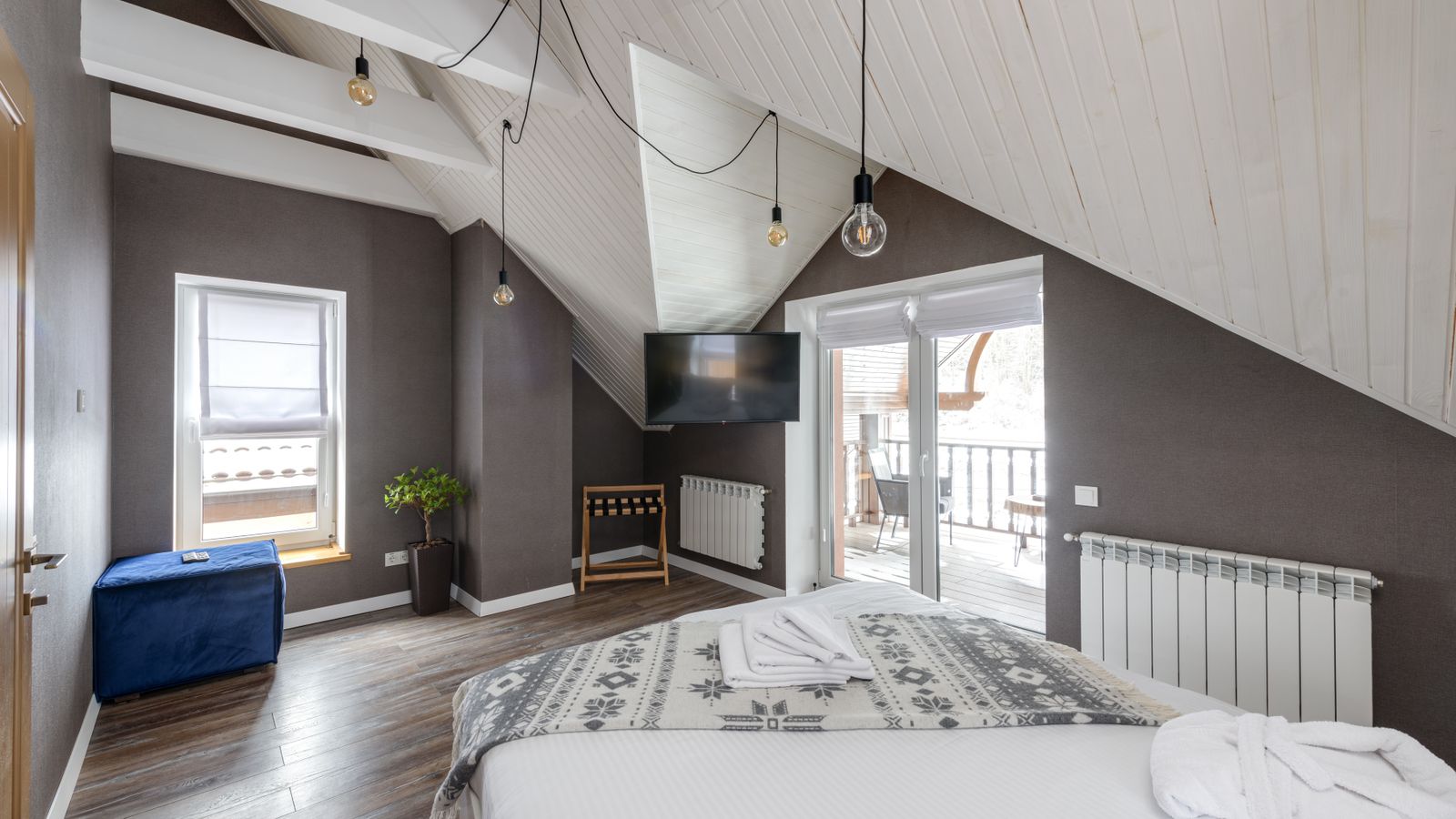
Use consistent information about capacity, bed arrangements, facilities, and relevant conditions. Associate each image with the correct room or property area. A shared gallery is useful for exploration, but it should not leave visitors guessing which features apply to the option they intend to book.
Connect location to practical planning
Describe how the property relates to the places guests need to reach and provide a clear location reference. Avoid unsupported claims about travel times. Explain arrival information or contact arrangements where they materially affect a guest's planning.
Make the booking route unambiguous
If an external engine handles live inventory, identify that route clearly. If the website collects enquiries, ask for stay dates, guest count, and the preferred room type, then explain the confirmation process. Do not use an immediate-booking success message for an unconfirmed request.
An illustrative business scenario
A villa website can prepare a stay enquiry containing dates and guest numbers. The reservation team then checks capacity and applicable conditions. The website should preserve that useful context without suggesting that availability has already been secured.
A practical checklist
- Match images to room types.
- Keep capacity and facilities accurate.
- Provide a clear location reference.
- Distinguish booking and enquiry routes.
Questions about this topic
Does every hotel website need its own booking engine?
Not necessarily. An appropriate external engine or clearly labelled enquiry process may fit the business, provided the handoff and operating responsibilities are understood.
Can the same content serve international guests?
Some facts remain the same, but translated information, clear conditions, and consistent language navigation improve understanding.
Plan your next website step.
Discuss your business, the visitor journey, and the work you need with Web Developer Jakarta. A short brief can help start a useful conversation.
Discuss Your Website ↗